

Why Regular Refrigeration Cleaning Is Essential

Introduction
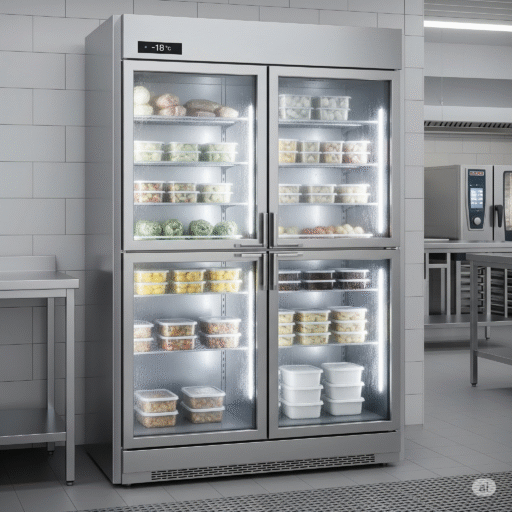
Refrigerators and freezers work around the clock to keep food fresh and safe—but how often do we clean them? In busy commercial kitchens or homes, refrigeration units can become a hidden source of bacteria, odors, and inefficiency if not cleaned regularly. Whether you’re running a restaurant or simply want your fridge to last longer at home, this guide will show you why and how to clean your refrigeration system properly.
❄️ Why Cleaning Your Refrigerator Matters
Whether it’s a commercial walk-in fridge or a compact household model, keeping it clean offers big benefits:
Food Safety: Prevents bacteria, mold, and cross-contamination
Energy Efficiency: Dirty coils and blocked vents force the unit to work harder
Longer Lifespan: Reduces wear and tear on fans, compressors, and seals
Fresh Smell: Eliminates lingering food odors
Compliance: Mandatory in restaurants and food businesses for hygiene inspections
🧽 How Often Should You Clean It?
Daily: Wipe spills and remove spoiled food
Weekly: Light clean of shelves and gaskets
Monthly: Full internal wipe-down and check for expired items
Every 3–6 Months: Deep clean including coils, fans, drainage lines, and vents
For commercial refrigeration units, regular professional servicing is also recommended every 6–12 months.
🧰 What You’ll Need
Mild dish soap or baking soda solution
Warm water
Soft cloths or sponges
Old toothbrush
Vacuum with hose (for condenser coils)
Sanitizer spray (food-safe)
Gloves
Optional: vinegar or lemon for odor control
🧊 Step-by-Step: How to Deep Clean a Refrigerator
1. Turn Off and Unplug the Unit
For safety and energy saving. In commercial settings, move food to a backup fridge.
2. Empty Everything
Remove all food, shelves, drawers, and trays. Toss expired or moldy items.
3. Wash Shelves & Drawers
Soak them in warm soapy water, then rinse and dry thoroughly.
4. Clean the Interior Walls
Use a cloth with soap and warm water or a baking soda mix. Scrub sticky spots with a soft brush.
5. Wipe the Door Gaskets
Gently clean the rubber seal to ensure a tight door close. Check for cracks or mold.
6. Clean the Condenser Coils (Commercial/Back of Unit)
Use a vacuum or brush to remove dust and grease buildup. Dirty coils = higher energy bills.
7. Clear the Drain Hole & Pan
Drainage holes can clog and cause water pooling. Use a toothpick or pipe cleaner gently.
8. Disinfect (Especially in Commercial Use)
Use a food-safe sanitizer spray on surfaces after cleaning to kill remaining germs.
9. Plug Back In and Restock
Return clean food containers and adjust temperature settings (typically 0–4°C for fridges, -18°C for freezers).
⚠️ Signs Your Fridge Needs Cleaning Now
Strong or strange odors
Ice buildup inside the freezer
Fridge runs continuously or overheats
Food spoils faster than usual
Visible spills or mold
🌿 Eco-Friendly Cleaning Tips
Use baking soda and lemon for natural deodorizing
Avoid bleach or harsh chemicals unless necessary
Use reusable microfiber cloths instead of paper towels
Turn off the unit during deep cleans to save energy
🏁 Final Thoughts
Regular refrigeration cleaning isn’t just a chore—it’s a smart habit that protects your food, lowers your utility bills, and extends the life of one of your most important appliances. Whether you manage a restaurant or run a busy household, a clean fridge keeps everything running fresh and smooth.

 Commercial Refrigerator
 Commercial Freezer
 Sandwich & Salad Prep Table
 Glass Door Merchandiser Fridge
 Open Air Merchandisers
 Undercounter Refrigerators
 Undercounter Freezers
 Remoted Condenser Ice Maker
 Self Contained Ice Maker
 Bakery Display Case
 Commercial Ranges with Ovens
 Commercial Charbroilers
 Commercial Griddles
 Commercial Fridge Freezer Combo
 Commercial Fryers
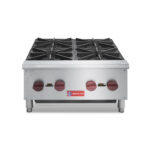 Commercial Hot Plates
 Commercial Stock Pot Ranges and Burners